Could Cannabis Be Fueling the Rise in Strokes in Young Adults?
November 4, 2026
Could Cannabis Be Fueling the Rise in Strokes in Young Adults?
REBECCA HALE, NATIONAL GEOGRAPHIC
By Sara Novak
Published October 27, 2026
Some studies suggest that frequent marijuana users havehigher odds of stroke. Scientists are now investigating how cannabis affectsthe brain's blood vessels and what the findings mean for younger adults.
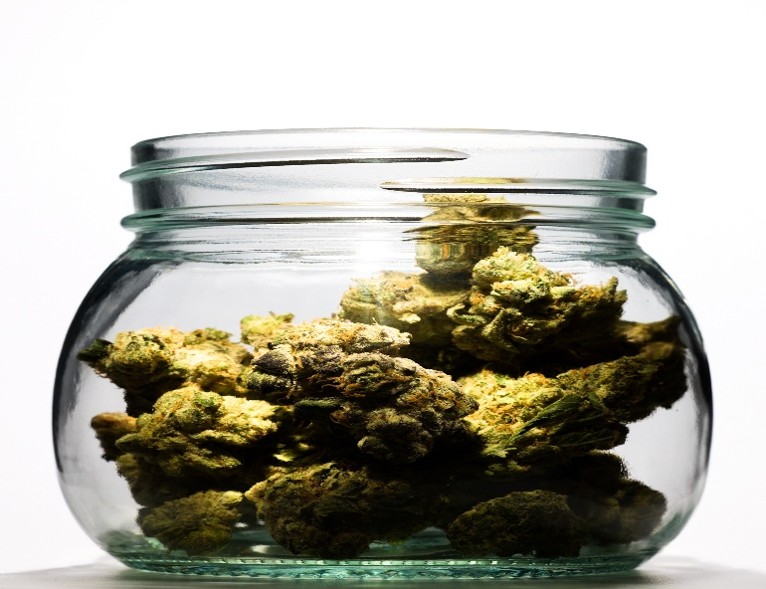
A growing body of research has linked cannabis use to anincreased risk of stroke, particularly among frequent users. But scientists are still trying to understand what’s driving the connection.
REBECCA HALE, NATIONAL GEOGRAPHIC
By Sara Novak
Published October 27, 2026
Strokes are on the rise in younger adults, even as rates decline among older generations. Now researchers are investigating whether cannabis could be part of the reason.
A recent study published in Neurology found that stroke incidence among adults ages 20 to 54 nearly doubled over three decades in one U.S. region, driven largely by ischemic strokes, which occur when a clot blocks blood flow to the brain. Among the younger adults who had strokes, nearly a third had used cannabis compared with less than one percent 30 years ago.
While strokes are still relatively rare in young people, they can be life-altering. Those who survive are often left with lasting disabilities that can impact their mobility, speech, and cognition at an age when they’re balancing jobs, children, and aging parents. Strokes in young adults can also increase the risk of dementia later in life, according to a study published in the journal Stroke.
Rising rates of hypertension may help explain the trend. High blood pressure is one of the leading risk factors for stroke because it can damage blood vessels over time, increasing the likelihood of blockages or bleeding in the brain.
Today, nearly a quarter of adults under 40 have the condition, up from 5 percent in 1991, according to the Centers for Disease Control and Prevention. The increase is due to several factors, including a more sedentary lifestyle, increases in sodium intake (often found in ultra-processed foods), obesity, smoking, and drinking alcohol.
Obesity has also jumped from 14 percent in 1993 to 40 percent today, a comorbidity that can also increase the risk of stroke. What’s more, younger people are far more sedentary than they were thirty years ago. Millennials report sitting 9 hours daily, with some sitting as much as 16 hours, all of which boosts their risk of stroke. When risk factors are controlled with diet, exercise, and medications, younger patients are better positioned to stave off a stroke before it’s too late.
But “risk factors are also higher in older individuals who are not seeing an increase in stroke risk, so my guess is that risk factors aren’t entirely what’s driving this,” says David J.Robinson, study author and a neurologist at the University of Cincinnati College of Medicine in Cincinnati, Ohio.
One possibility researchers are investigating is cannabis use. A recent analysis of 32 studies published in the International Journal of Stroke found that cannabis users had 37 percent higher odds of having a stroke than nonusers. When researchers looked specifically at adults under 55, they found a smaller association, with cannabis use linked to 14 percent higher odds of stroke.
(Here are five recent scientific findings that change what we know about cannabis.)
While the mechanism isn’t completely understood, cannabis has been linked to a condition called reversible cerebral vasoconstriction syndrome (RCVS), when blood vessels in the brain temporarily constrict, leading to decreased levels of oxygen.
John W. Cole, a neurologist at the University of Maryland School of Medicine, describes it as a “plumbing problem” in the brain. When blood vessels constrict, they can limit the supply of oxygen-rich blood the brain needs to function, potentially leading to a stroke.
THC can also stimulate the sympathetic nervous system, which controls the body’s fight-or-flight response, causing the heart to beat faster and blood pressureto rise. In some cases, cannabis can have the opposite effect, causing blood pressure to drop. Researchers suspect these fluctuations may interfere with the brain’s ability to regulate blood flow.
Another possible pathway involves the endothelium, the thin layer of cells lining blood vessels that helps regulate blood flow and prevent unwanted clotting. Some studies suggest THC may promote inflammation and oxidative stress, potentially damaging this protective lining. There is also evidence that cannabis may activate platelets, the blood cells responsible for forming clots. If one of those clots blocks an artery supplying the brain, the result can be an ischemicstroke.
“When you combine all three factors, it can predispose cannabis users to having an ischemic stroke,” says Megan Ritson, a post doctoral research associate in the Stroke Research Group at the University of Cambridge in England.